-
 Samsung Galaxy F55 5G India Launch Set for May 17, Price Range Revealed9 May 2024
 -
Samsung Galaxy S24+ Review: Bigger Is Better9 May 2024
-
Samsung Galaxy Z Fold 6 Leaked Screen Protectors Hint at Wider Cover Display With Sharper Corners10 May 2024
-
Samsung Galaxy F55 5G Design, Colourways Revealed; Flipkart Availability Confirmed8 May 2024
-
iPhone 15 Pro Max Emerges as Best Selling Smartphone in Q1 2024 as Apple, Samsung Dominate Top 10 List: Report7 May 2024

Sharp likely to seek fresh bank loans after Samsung deal: Report
By Reuters | Updated: 7 March 2013 16:28 IST
Advertisement
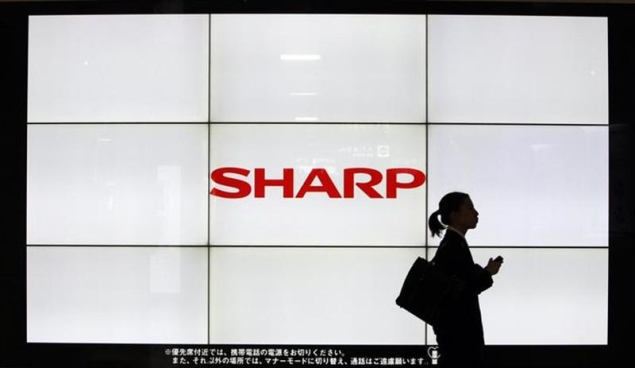
Sharp Corp is likely to seek fresh bank loans to help it repay a $2.1 billion convertible bond due in September, with no further equity deals likely after Samsung Electronics Co agreed to buy a 3 percent stake in the company for $111 million, three sources familiar with the matter said.
"With Samsung, the tie-ups in panels are over. I doubt there will be any more," an executive at Sharp told Reuters on condition that he not be identified, due to the sensitivity of the matter.
The Samsung deal followed an agreement in December for Qualcomm Inc to invest as much as $120 million.
The potential sale of overseas TV assembly plants in Mexico and China could add more to Sharp's available cash but talks for Taiwan's Hon Hai Precision Industry Co Ltd to buy a stake in the company have stalled with a March 26 deadline fast approaching.
Sharp, which in November said it may not be able to survive on its own, is in talks to offload its Chinese TV assembly plant to Lenovo Group Ltd and to sell its Mexico factory to Hon Hai, according to sources familiar with the discussions.
"Without investment from Hon Hai, Sharp will need to raise at least 50 billion yen from the sale of overseas factories and other assets to pay off the bond in September," said Deutsche Securities analyst Yasuo Nakane. The rest of the money would come from cashflow and fresh financing, he added.
The banks that bailed out Sharp in September with $3.9 billion in emergency loans, including Mizuho Financial Group Inc and Mitsubishi UFJ Financial Group Inc, are not including a Hon Hai investment in a business plan they are hammering out for Japan's leading LCD panel maker, sources told Reuters last month.
The next step for Sharp is bank financing, an executive at one of the banks and a separate source at Sharp told Reuters. Fresh loans could total around $1 billion, according to analysts, which would raise the cost of Sharp's bailout to about $5 billion.
Sharp's shareholder equity ratio at the end of 2012 was 9.6 percent, less than half the 20 percent usually considered the minimum for financial health.
To secure its bailout last year, Sharp pledged to cut jobs and sell assets while mortgaging nearly all of its factories and offices inJapan, leaving it with only overseas assets that could be sold to improve its finances.
A junk rating from credit agencies has made raising money in the credit markets expensive for Sharp. Standard & Poor's ratesSharp's debt as B+, a highly speculative grade, while Fitch Ratings has Sharp at B-. Moody's Investors Service withdrew its rating on Sharp in April.
© Thomson Reuters 2013
Comments
For the latest tech news and reviews, follow Gadgets 360 on X, Facebook, WhatsApp, Threads and Google News. For the latest videos on gadgets and tech, subscribe to our YouTube channel. If you want to know everything about top influencers, follow our in-house Who'sThat360 on Instagram and YouTube.
Related Stories



Advertisement
Follow Us




-

00:30
Sponsored | Galaxy A55 | A35 5G: Awesome Camera | Ft. #ShanayaKapoor & #RohanGurbaxani -
01:23
Google Wallet Launched in India: All You Need to Know -
02:17
Does a Mysterious Ninth Planet Exist Beyond Neptune? -
14:05
Vivo V30 Pro Review: Focussed on Photography -
15:01
Tech With TG: MAMI Film Festival and the Rise of Mobile Filmmaking
Popular on Gadgets
- AI
- iPhone 16 Leaks
- Apple Vision Pro
- Oneplus 12
- iPhone 14
- Apple iPhone 15
- OnePlus Nord CE 3 Lite 5G
- iPhone 13
- Xiaomi 14 Pro
- Oppo Find N3
- Tecno Spark Go (2023)
- Realme V30
- Best Phones Under 25000
- Samsung Galaxy S24 Series
- Cryptocurrency
- iQoo 12
- Samsung Galaxy S24 Ultra
- Giottus
- Samsung Galaxy Z Flip 5
- Apple 'Scary Fast'
- Housefull 5
- GoPro Hero 12 Black Review
- Invincible Season 2
- JioGlass
- HD Ready TV
- Laptop Under 50000
- Smartwatch Under 10000
- Latest Mobile Phones
- Compare Phones
Latest Gadgets
- Realme Realme GT Neo 6
- Nokia 3210 4G
- Vivo Y18e
- Vivo Y18
- Vivo Y38 5G
- Nokia 235 4G (2024)
- Nokia 225 4G (2024)
- Nokia 215 4G (2024)
- Dell Alienware X16 R2
- Lenovo IdeaPad Pro 5i
- Apple iPad Pro 13-inch (2024) Wi-Fi
- Apple iPad Pro 13-inch (2024) Wi-Fi + Cellular
- boAt Storm Call 3
- Lava ProWatch Zn
- Samsung Samsung Neo QLED 8K Smart TV QN800D
- Samsung Neo QLED 4K Smart TV (QN90D)
- Sony PlayStation 5 Slim Digital Edition
- Sony PlayStation 5 Slim
- LG 1.5 Ton 3 Star Inverter Window AC (TW-Q18WUXA)
- Godrej 1.1 Ton 3 Star Inverter Split AC (SIC 13DTC3 WWB)

- About Us
- Sitemaps
- Feedback
- Archives
- Contact Us
- RSS
- Advertise
- Career
- Privacy Policy
- Ethics
- Editorial Policy
- Terms & Conditions
- Complaint Redressal
Download Our Apps
Available in Hindi
© Copyright Red Pixels Ventures Limited 2024. All rights reserved.


