-
 Ray-Ban Meta Smart Glasses Review: Versatile and Practical25 April 2024
 -
Instagram to Test Features That Blur Messages Containing Nudity in Move to Boost Teen Safety11 April 2024
-
Messenger Now Lets You Send HD Photos, Create Shared Albums, Send Files Up to 100MB10 April 2024
-
Facebook Revamps the Video Player on Its Mobile Apps, Adds Consistent Full-Screen Mode, New Controls4 April 2024
-
Meta Collaborates With PTI to Expand Its Third-Party Fact-Checking Programme in India1 April 2024

- Home
- Social networking
- Social networking News
- Morgan Stanley fined $5 million over Facebook IPO
Morgan Stanley fined $5 million over Facebook IPO
By Reuters | Updated: 18 December 2012 15:41 IST
Advertisement
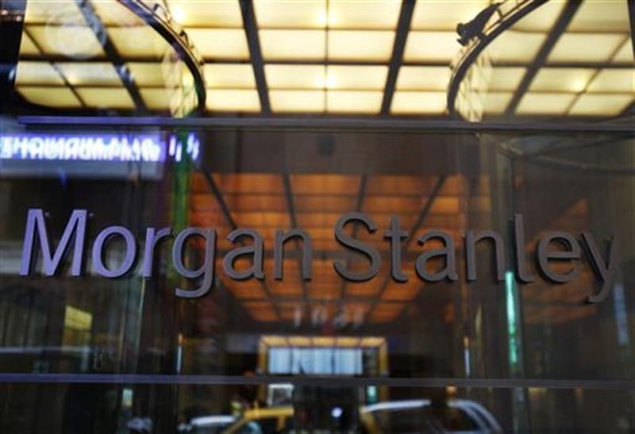
Morgan Stanley, the lead underwriter for Facebook Inc's initial public offering, will pay a $5 million fine to Massachusetts for violating securities laws governing how investment research can be distributed.
Massachusetts' top securities regulator, William Galvin, charged on Monday that a top Morgan Stanley banker had improperly coached Facebook on how to disclose sensitive financial information selectively, perpetuating what he calls "an unlevel playing field" between Wall Street and Main Street.
Morgan Stanley has faced criticism since Facebook went public in May for revealing revised earnings and revenue forecasts to select clients before the media company's $16 billion initial public offering.
This is the first time a case stemming from Morgan Stanley's handling of the Facebook offering has been settled.
Facebook had privately told Wall Street research analysts about softer forecasts because of less robust mobile revenues. A top Morgan Stanley banker coached Facebook executives on how to get the message out, Galvin said.
A Morgan Stanley spokeswoman said on Monday the company is "pleased to have reached a settlement" and that it is "committed to robust compliance with both the letter and the spirit of all applicable regulations and laws." The company neither admitted nor denied any wrongdoing.
Galvin, who has been aggressive in policing how research is distributed on Wall Street ever since investment banks reached a global settlement in 2003, said the bank violated that settlement. He fined Citigroup $2 million over similar charges in late October.
"The conduct at Morgan Stanley was more egregious," he said in an interview explaining the amount of the fine. "With it we will get their attention and begin to take steps in restoring some confidence for retail investors to invest."
Galvin also said that his months-long investigation into the Facebook IPO is far from over and that he continues to review the other banks involved. Goldman Sachs and JP Morgan also acted as underwriters. The underwriting fee for all underwriters was reported to be $176 million at the time, or 1.1 percent of the proceeds.
As lead underwriter, Morgan Stanley took in $68 million in fees from the IPO, according to a Thomson Reuters estimate.
Massachusetts did not name the Morgan Stanley banker in its documents but personal information detailed in the matter suggest it is Michael Grimes, a top technology banker who was instrumental in the Facebook IPO.
The report says the unnamed banker joined Morgan Stanley in 1995 and became a managing director in 1998, dates that correlate with Grimes' career at the firm. It also says the banker works in Morgan Stanley's Menlo Park, California, office, where Grimes also works.
Grimes did not immediately respond to a request for comment, and was not accused of any wrongdoing by name.
The state said the banker helped a Facebook executive release new information and then guided the executive on how to speak with Wall Street analysts about it. The banker, Galvin said, rehearsed with Facebook's Treasurer and wrote the bulk of the script Facebook's Treasurer used when calling the research analysts.
A number of Wall Street analysts cut their growth estimates for Facebook in the days before the IPO after the company filed an amended prospectus.
Facebook's treasurer then quickly called a number for Wall Street analysts providing even more information.
The banker "was not allowed to call research analysts himself, so he did everything he could to ensure research analysts received new revenue numbers which they then provided to institutional investors," Galvin said.
Galvin's consent order also says that the banker spoke with company lawyers and then to Facebook's chief financial officer about how to prove an update "without creating the appearance of not providing the underlying trend information to all investors."
The banker and all others involved with the matter at Morgan Stanley are still employed by the company, a person familiar with the matter said.
Retail investors were not given any similar information, Galvin said, saying this case illustrates how institutional investors often have an edge over retail investors.
© Thomson Reuters 2012
Comments
For the latest tech news and reviews, follow Gadgets 360 on X, Facebook, WhatsApp, Threads and Google News. For the latest videos on gadgets and tech, subscribe to our YouTube channel. If you want to know everything about top influencers, follow our in-house Who'sThat360 on Instagram and YouTube.
Related Stories



Advertisement
Follow Us




-

03:19
Gadgets 360 With Technical Guruji: Something About the Nothing Ear, Ear (a) -
19:21
Gadgets 360 With Technical Guruji: Samsung's New AI Smart TVs, Nothing Ear -
05:23
Gadgets 360 With Technical Guruji: Samsung's New AI Smart TVs -
01:17
Gadgets 360 With Technical Guruji: Tech Tip [April 20, 2024] -
02:05
Gadgets 360 With Technical Guruji: Ask TG [April 20, 2024]
-
Polestar Phone हुआ 16GB RAM, 50MP कैमरा के साथ लॉन्च, AI फीचर्स भी शामिल
-
OnePlus 13 के नए डिजाइन और डिस्प्ले साइज का हुआ खुलासा, क्या होगा खास
-
Oppo K12 स्मार्टफोन 12GB रैम, 50MP कैमरा, 100W चार्जिंग के साथ लॉन्च
-
अंतरिक्ष में चीन की बत्ती गुल! स्पेस स्टेशन से टकराया मलबा, पावर सप्लाई पर असर
-
HMD ने लॉन्च किए Pulse, Pulse Pro और Pulse+, जानें प्राइस, स्पेसिफिकेशंस
Advertisement
Popular on Gadgets
- AI
- iPhone 16 Leaks
- Apple Vision Pro
- Oneplus 12
- iPhone 14
- Apple iPhone 15
- OnePlus Nord CE 3 Lite 5G
- iPhone 13
- Xiaomi 14 Pro
- Oppo Find N3
- Tecno Spark Go (2023)
- Realme V30
- Best Phones Under 25000
- Samsung Galaxy S24 Series
- Cryptocurrency
- iQoo 12
- Samsung Galaxy S24 Ultra
- Giottus
- Samsung Galaxy Z Flip 5
- Apple 'Scary Fast'
- Housefull 5
- GoPro Hero 12 Black Review
- Invincible Season 2
- JioGlass
- HD Ready TV
- Laptop Under 50000
- Smartwatch Under 10000
- Latest Mobile Phones
- Compare Phones
Latest Gadgets
- iQOO Z9x
- iQOO Z9
- HMD Pulse
- HMD Pulse+
- HMD Pulse Pro
- Realme Narzo 70x 5G
- Realme Narzo 70 5G
- Samsung Galaxy C55
- Lenovo IdeaPad Pro 5i
- Asus ZenBook Duo 2024 (UX8406)
- Realme Pad 2 Wi-Fi
- Redmi Pad Pro
- boAt Storm Call 3
- Lava ProWatch Zn
- Samsung Samsung Neo QLED 8K Smart TV QN800D
- Samsung Neo QLED 4K Smart TV (QN90D)
- Sony PlayStation 5 Slim Digital Edition
- Sony PlayStation 5 Slim
- Lloyd 1.5 Ton 3 Star Inverter Split AC (GLS18I3FOSEW)
- Haier 1.5 Ton 3 Star Triple Inverter Split AC (HSU18K-PYSS3BN-INV)

- About Us
- Sitemaps
- Feedback
- Archives
- Contact Us
- RSS
- Advertise
- Career
- Privacy Policy
- Ethics
- Editorial Policy
- Terms & Conditions
- Complaint Redressal
Download Our Apps
Available in Hindi
© Copyright Red Pixels Ventures Limited 2024. All rights reserved.


