-
 Instagram to Test Features That Blur Messages Containing Nudity in Move to Boost Teen Safety11 April 2024
 -
Messenger Now Lets You Send HD Photos, Create Shared Albums, Send Files Up to 100MB10 April 2024
-
Facebook Revamps the Video Player on Its Mobile Apps, Adds Consistent Full-Screen Mode, New Controls4 April 2024
-
Meta Collaborates With PTI to Expand Its Third-Party Fact-Checking Programme in India1 April 2024
-
Meta Offers to Almost Halve Monthly Subscription Fee for Ad-Free Facebook, Instagram in EU20 March 2024

- Home
- Social networking
- Social networking News
- Facebook takes another shot at settling privacy lawsuit
Facebook takes another shot at settling privacy lawsuit
By Reuters | Updated: 16 November 2012 18:15 IST
Advertisement
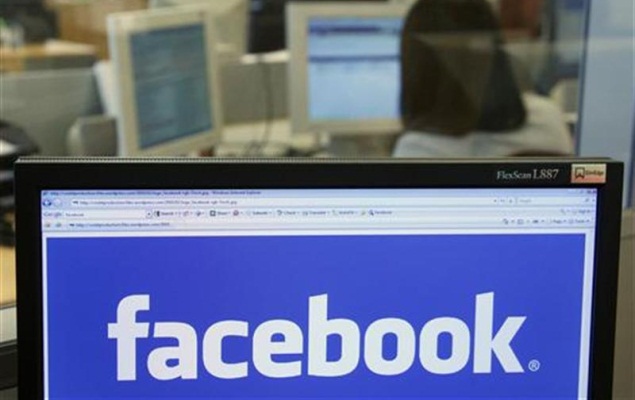
A U.S. judge said he would consider whether to preliminarily approve Facebook's second attempt to settle allegations the social networking company violated privacy rights.
Earlier this year, U.S. District Judge Richard Seeborg rejected a proposed class action settlement over Facebook's 'Sponsored Stories' advertising feature. But at a hearing on Thursday in San Francisco federal court, Seeborg was much less critical of a revised proposal and promised a ruling "very shortly."
Five Facebook Inc members filed a lawsuit seeking class-action status against the social networking site, saying its Sponsored Stories feature violated California law by publicizing users' "likes" of certain advertisers without paying them or giving them a way to opt out. The case involved over 100 million potential class members.
As part of a proposed settlement reached earlier this year, Facebook agreed to allow members more control over how their personal information is used. Facebook also agreed to pay $10 million for legal fees and $10 million to charity, according to court documents.
However, Seeborg rejected the proposed deal in August, questioning why it did not award any money to members.
In a revised proposal, Facebook and plaintiff lawyers said users now could claim a cash payment of up to $10 each to be paid from a $20 million total settlement fund. Any money remaining would then go to charity.
The company also said it would engineer a new tool to enable users to view any content that might have been displayed in Sponsored Stories and then opt out if they desire, the court document says.
In court on Thursday, Facebook attorney Michael Rhodes said the settlement provided meaningful protections and that Seeborg's job was to ensure a fair settlement - not write national privacy policy.
"Trust me, I'm not proposing to set grand policy with privacy issues writ large," Seeborg said.
Two children's advocacy groups filed court papers opposing the deal, saying that an opt-in procedure with parental consent should be required before Facebook can use a minor's content in ads.
However, plaintiff attorney Robert Arns said the deal balances the public good with Facebook's ability to run a profitable social networking service.
"We believe we cracked the code so that it's fair," he said.
If Seeborg grants his preliminary approval, outside groups would be able to file further objections before a final hearing.
The case in U.S. District Court, Northern District of California is Angel Fraley et al., individually and on behalf of all others similarly situated vs. Facebook Inc, 11-cv-1726.
© Thomson Reuters 2012
Comments
For the latest tech news and reviews, follow Gadgets 360 on X, Facebook, WhatsApp, Threads and Google News. For the latest videos on gadgets and tech, subscribe to our YouTube channel. If you want to know everything about top influencers, follow our in-house Who'sThat360 on Instagram and YouTube.
Related Stories



Advertisement
Follow Us




-

03:30
How OPPO's LinkBoost Improves Network Connectivity -
02:59
Gadgets360 With Technical Guruji: Ask TG [April 13, 2024] -
02:24
Gadgets360 With Technical Guruji: Tech Tip [April 13, 2024] -
02:00
Gadgets360 With Technical Guruji: Did You Know [April 13, 2024] -
05:05
Gadgets360 With Technical Guruji: Samsung Launches Bespoke AI-Powered Home Appliances
-
Huawei Pura 70 Ultra, 70 Pro+ हुए Kirin 9010, 50MP कैमरा के साथ लॉन्च
-
Sony ने लॉन्च किए नए Bravia TV, 43 से 85 इंच तक डिस्प्ले, 4.5 लाख तक कीमत
-
Realme C65 5G भारत में 6GB रैम के साथ Rs 10 हजार से कम में होगा लॉन्च!
-
Samsung ने लॉन्च किए नए TV: 8K डिस्प्ले, 98 इंच साइज, AI फीचर्स…साथ में Rs 80 हजार का साउंडबार फ्री!
-
Mars : ‘मरने’ के बाद भी लाल ग्रह पर Nasa के काम आएगा Ingenuity हेलीकॉप्टर
Advertisement
Popular on Gadgets
- Galaxy S24 Series
- MWC 2024
- Apple Vision Pro
- Oneplus 12
- iPhone 14
- Apple iPhone 15
- OnePlus Nord CE 3 Lite 5G
- iPhone 13
- Xiaomi 14 Pro
- Oppo Find N3
- Tecno Spark Go (2023)
- Realme V30
- Best Phones Under 25000
- Samsung Galaxy S24 Series
- Cryptocurrency
- iQoo 12
- Samsung Galaxy S24 Ultra
- Giottus
- Samsung Galaxy Z Flip 5
- Apple 'Scary Fast'
- Housefull 5
- GoPro Hero 12 Black Review
- Invincible Season 2
- JioGlass
- HD Ready TV
- Laptop Under 50000
- Smartwatch Under 10000
- Latest Mobile Phones
- Compare Phones
Latest Gadgets
- Tecno Camon 30 Premier 5G
- Motorola Edge 50 Fusion
- Oppo A1i
- Oppo A1s
- Motorola Edge 50 Ultra
- Leica Leitz Phone 3
- Moto G64 5G
- Moto G04s
- Asus ZenBook Duo 2024 (UX8406)
- Dell Inspiron 14 Plus
- Realme Pad 2 Wi-Fi
- Redmi Pad Pro
- Cult Shock X
- Fire-Boltt Oracle
- Samsung Samsung Neo QLED 8K Smart TV QN800D
- Samsung Neo QLED 4K Smart TV (QN90D)
- Sony PlayStation 5 Slim Digital Edition
- Sony PlayStation 5 Slim
- Blue Star 1.5 Ton 4 Star Inverter Split AC (ID418YNU)
- IFB 1.5 Ton 5 Star Inverter Split AC (CI1852A323G2)

- About Us
- Sitemaps
- Feedback
- Archives
- Contact Us
- RSS
- Advertise
- Career
- Privacy Policy
- Ethics
- Editorial Policy
- Terms & Conditions
- Complaint Redressal
Download Our Apps
Available in Hindi
© Copyright Red Pixels Ventures Limited 2024. All rights reserved.


