
-
 Samsung Galaxy Alpha to Also Receive Android 5.0 Lollipop Update2 April 2015
 -
Samsung Galaxy Note 3 Reportedly Receiving Android 5.0 Lollipop Update in India5 March 2015
-
Android 5.0 Lollipop Update Confirmed for Samsung Galaxy Note II13 February 2015
-
Samsung Galaxy Note II Reportedly Receiving Android 4.4.2 Update in India8 May 2014
-
Samsung Galaxy Note II reportedly receiving Android 4.4.2 KitKat update8 May 2014

- Home
- Mobiles
- Mobiles News
- Samsung posts record profit for Q4 2012 powered by its Galaxy smartphones
Samsung posts record profit for Q4 2012 powered by its Galaxy smartphones
By Associated Press | Updated: 25 January 2013 11:04 IST
Advertisement
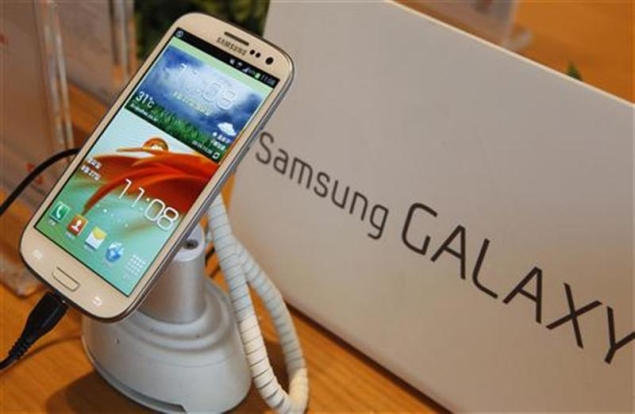
Samsung Electronics Co. said quarterly profit soared 76 percent, boosted by the popularity of its Galaxy smartphones, which outsold the iPhone for a fourth straight quarter.

Samsung at CES 2013
But the company said Friday it expects earnings to decline during the current quarter because of seasonally low demand for consumer electronics. It is also leaving its 2013 capital expenditure at the same level as last year at 23 trillion won ($21.5 billion), underlining uncertainty about the global economy and declining demand for personal computers.
The strong South Korean won is also becoming a negative for Samsung. It expects more than 3 trillion won will be shaved from its 2013 operating profit due to the stronger local currency. Samsung's shares fell as much as 3 percent after earnings release.
Net profit for the final quarter of 2012 totaled 7.04 trillion won ($6.6 billion), a 76 percent surge from 4.01 trillion won a year earlier. Analysts had expected 6.95 trillion won in net profit, according to financial information provider FactSet. Sales rose 19 percent over a year earlier to 56.06 trillion won and operating income jumped 89 percent to 8.84 trillion won.
Increased sales of smartphones were the key source of its profit growth. Samsung, which overtook Apple Inc. as the top smartphone maker last year, said its operating profit from the division that makes and sells smartphones and tablets more than doubled to 5.44 trillion won in the fourth quarter, from 2.56 trillion won a year earlier.
Most analysts believe the Suwon, South Korea-based Samsung shipped more than 60 million smartphones, including the Galaxy S III and Galaxy Note II, during the three months ending in December, which would put the year's smartphone sales at more than 200 million. Apple said it sold 47.8 million iPhones in the quarter.
Hong Kong-based research firm Counterpoint Research said Samsung took 33 percent market share in the fourth quarter, compared with Apple's 21 percent. Another market researcher IDC put Samsung's share at 29 percent versus Apple's 22 percent.
The company's component divisions that make semiconductor products and display panels also benefited from a rise in demand for smartphones. Sales of mobile processors that power popular devices such as Apple's iPhones and Samsung's own Galaxy smartphones boosted the bottom line.
The recovery in the display panel division was also led by strong sales of advanced mobile-phone screens called OLED, which are mostly found in high-end Samsung smartphones. The display division posted 1.11 trillion won in profit compared with a small loss a year earlier.
Analysts said Samsung will likely see a continued rise in smartphone sales this year, especially in low- and mid-priced models where it doesn't face competition from Apple. Some analysts, including Young Park at Woori Securities, forecast Samsung smartphone shipments to rise as much as 50 percent this year from 2012 to over 300 million units.
Samsung executives said during the conference call with investors that smartphone demand will ease in the current quarter without giving guidance for the company's performance. But analysts said that Samsung could be little affected by market demand thanks to its variety of products that range from affordable to expensive devices.
"Even though they said demand for smartphone will slow down in the first quarter, Samsung will likely buck the industry trend and its own smartphone sales will go up," said Byun Han-joon, an analyst at KB Investment & Securities.
Apple, which keeps its iPhone price high, might see iPhone sales plateau in coming years as more consumers snap up cheaper Android phones.
Still, Apple's business has been more profitable because of the high price of the iPhone, which generates a larger profit per sales. Samsung, which makes dozens of handset models a year and customizes them for mobile operators, also sells cheaper smartphones and spends about three times more on expenses such as marketing and advertising costs to promote its Galaxy brand phones and televisions.
Counterpoint Research estimates Apple, though it sold fewer handsets than Samsung, took 70 percent of profit in the handset market during the fourth quarter, while the South Korean rival claimed 25 percent.
Samsung is expected to introduce a new flagship smartphone in its Galaxy S series as early as April, which analysts say will shore up its bottom line. The company said consumers seeking to replace its current handset and get a faster wireless connection through LTE networks will drive the demand for new models, easing concerns that sales would slow because of high rates of smartphone use in developed markets. Part of its strategy to command higher prices from consumers has been adding new hardware features, such as a digital pen in the Galaxy Note series.
Samsung's flexible display technology, which allows tablet computers to fold into mobile phones or bend the edge of the screen, is an effort to make its products stand out from others and to shore up its profit. But such technology, which was shown in public earlier this month in Las Vegas, will still need more time for mass production.
Samsung said its profit will be hurt by unfavorable foreign exchange rates this year. Robert Yi, head of Samsung's investor relations, said the negative impact from the foreign exchange rates will exceed 3 trillion won ($2.8 billion), with the loss largely coming from the firm's exposure to the euro.
Samsung at CES 2013
Comments
For the latest tech news and reviews, follow Gadgets 360 on X, Facebook, WhatsApp, Threads and Google News. For the latest videos on gadgets and tech, subscribe to our YouTube channel. If you want to know everything about top influencers, follow our in-house Who'sThat360 on Instagram and YouTube.
Related Stories


Advertisement
Follow Us




Advertisement
Popular on Gadgets
- Galaxy S24 Series
- MWC 2024
- Apple Vision Pro
- Oneplus 12
- iPhone 14
- Apple iPhone 15
- OnePlus Nord CE 3 Lite 5G
- iPhone 13
- Xiaomi 14 Pro
- Oppo Find N3
- Tecno Spark Go (2023)
- Realme V30
- Best Phones Under 25000
- Samsung Galaxy S24 Series
- Cryptocurrency
- iQoo 12
- Samsung Galaxy S24 Ultra
- Giottus
- Samsung Galaxy Z Flip 5
- Apple 'Scary Fast'
- Housefull 5
- GoPro Hero 12 Black Review
- Invincible Season 2
- JioGlass
- HD Ready TV
- Laptop Under 50000
- Smartwatch Under 10000
- Latest Mobile Phones
- Compare Phones
Latest Gadgets
- Huawei Pura 70 Pro
- Huawei Pura 70
- Vivo V30e
- Itel Super Guru 4G
- Huawei Pura 70 Pro+
- Huawei Pura 70 Ultra
- Tecno Camon 30 Premier 5G
- Motorola Edge 50 Fusion
- Asus ZenBook Duo 2024 (UX8406)
- Dell Inspiron 14 Plus
- Realme Pad 2 Wi-Fi
- Redmi Pad Pro
- Cult Shock X
- Fire-Boltt Oracle
- Samsung Samsung Neo QLED 8K Smart TV QN800D
- Samsung Neo QLED 4K Smart TV (QN90D)
- Sony PlayStation 5 Slim Digital Edition
- Sony PlayStation 5 Slim
- Voltas 1.5 Ton 3 Star Split AC (183 Vectra Elegant 4503545)
- Hitachi 1.5 Ton 5 Star Inverter Split AC (RAS.G518PCBISF)

- About Us
- Sitemaps
- Feedback
- Archives
- Contact Us
- RSS
- Advertise
- Career
- Privacy Policy
- Ethics
- Editorial Policy
- Terms & Conditions
- Complaint Redressal
Download Our Apps
Available in Hindi
© Copyright Red Pixels Ventures Limited 2024. All rights reserved.


