-
 Android 15 Could Include App Quarantine Feature to Protect Users From Malicious Apps: Report18 April 2024
 -
Android 15 Beta 1 Released With New Security and Privacy Features for Eligible Google Pixel Phones12 April 2024
-
Truecaller Web Interface With Unknown Number Lookup, SMS Messaging Support Launched10 April 2024
-
Google Messages Could Show a New Pop-Up Warning When Users Click on Links From Unknown Senders: Report9 April 2024
-
Google’s Private Space Feature for Android 15 Will Let Users Hide Apps With a Separate Account: Report9 April 2024

- Home
- Mobiles
- Mobiles News
- Google 2012 revenue hits $50 billion, profits up 6.7 percent
Google 2012 revenue hits $50 billion, profits up 6.7 percent
By Agence France-Presse | Updated: 23 January 2013 11:22 IST
Advertisement
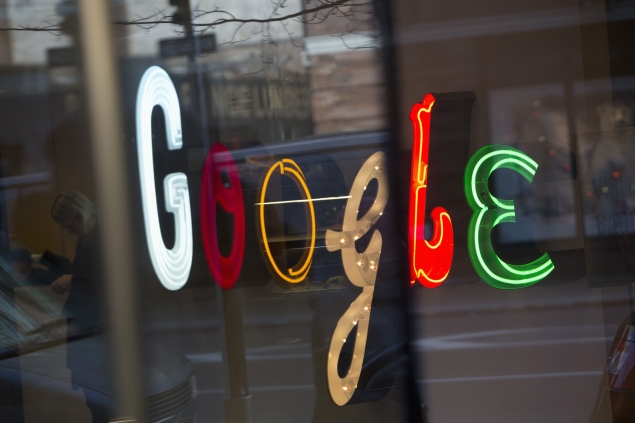
Google reported Tuesday that its profit climbed and its annual revenue hit an unprecedented high last year as it evolved to stay in tune with people using smartphones and tablets.
"We ended 2012 with a strong quarter," said Google co-founder and chief executive Larry Page. "We hit $50 billion in revenues for the first time last year; not a bad achievement in just a decade and a half."
The fourth quarter profit was up 6.7 percent from a year earlier at $2.89 billion, and for the full year Google's earnings grew 10 percent to $10.74 billion.
Revenue in the quarter that ended December 31 was up 36 percent from the same period a year earlier at $14.4 billion. For the year, revenues grew to $50.2 billion.
Google shares jumped more than five percent to $738.20 in after-market trading that followed release of the earnings figures, which topped most Wall Street estimates.
Google dominates the US online advertising market, which grew 14.9 percent to $10.58 billion in the final three months of last year, according to eMarketer.
The market tracker estimated that Google takes in more than 41 percent of digital ad revenue in the United States and "holds more share than any other company" when it comes to online, display and mobile advertising.
In a conference call with financial analysts, Google executives stressed how the company is connecting with people on smartphones and tablets, and cautioned that it would take time to get freshly acquired Motorola Mobility on course.
Page said he was excited about progress Google has made in handling search queries spoken to mobile devices and described the online Play shop for music, books, applications and other digital content as "on fire."
Google's mapping service program tailored for Apple gadgets running on the iOS platform have been a hit, Page said, adding that its search and email programs are also popular on Apple devices.
"We now live in a multi-screen world; in fact, we feel naked without our smartphones," Page said. "Devices have been one of our biggest bets in the last few years, along with the software that goes with these devices."
In an indirect shot at the Apple iPad Mini launched late last year, Page said Google's Nexus 7 "continues to define the seven-inch tablet category."
Google has been shedding unwanted Motorola Mobility assets since it completed its $12.5 billion takeover of the company last year.
Chief financial officer Patrick Pichette said during the earnings call that the Internet giant has "12 to 18 months of product pipeline it is still working through" at Motorola.
In December, Google announced it was selling the Motorola Mobility Home unit to global communications technology company ARRIS in a cash and stock deal valued at $2.35 billion.
The Internet giant's purchase of Motorola Mobility was seen as a grab for patents to protect Google's Android mobile operating system from legal attacks.
Modems and television set-top boxes made by Motorola Home evidently did not play into the California-based company's strategy despite its investments in Google TV technology for tapping into online entertainment in living rooms.
"I am excited about the innovative way they are approaching product development," Page said of the Motorola Mobility team.
"The opportunities are endless you shouldn't have to worry about charging your phone; when you drop your phone, it shouldn't go splat."
The majority of Google advertisers are opting to target mobile gadgets, and the company saw successes with experiments tying real-world shopping to smartphones, according to executives.
"Overall, the core search business is doing well, driven really by the growth in mobile," Pichette said.
Analyst Rob Enderle of Enderle Group in Silicon Valley said investors will be watching to see the bites taken from Google revenue by investments in self-driving cars, Internet-linked eyewear, smartphones and other projects.
"Most eyes will be on their build-out," Enderle said. "Clearly, like Microsoft, they will be expanding their hardware footprint."
Comments
For the latest tech news and reviews, follow Gadgets 360 on X, Facebook, WhatsApp, Threads and Google News. For the latest videos on gadgets and tech, subscribe to our YouTube channel. If you want to know everything about top influencers, follow our in-house Who'sThat360 on Instagram and YouTube.
Related Stories



Advertisement
Follow Us




-
 Vivo V30e 5G भारत में 5500mAh बैटरी, 44W फास्ट चार्जिंग के साथ होगा लॉन्च
 -
Moto E14 में होगी 5000mAh बैटरी, TDRA सर्टिफिकेशन में दिखा फोन
-
OnePlus Ace 3 Pro के स्पेसिफिकेशंस, डिजाइन का हुआ खुलासा, क्या होगा खास
-
Huawei का गजब डिवाइस, पॉकेट में रख लो, एक साथ 16 डिवाइस को देगा इंटरनेट
-
चीन ने WhatsApp और Threads को Apple App Store से हटाया, जानें कारण
Advertisement
Popular on Gadgets
- Galaxy S24 Series
- MWC 2024
- Apple Vision Pro
- Oneplus 12
- iPhone 14
- Apple iPhone 15
- OnePlus Nord CE 3 Lite 5G
- iPhone 13
- Xiaomi 14 Pro
- Oppo Find N3
- Tecno Spark Go (2023)
- Realme V30
- Best Phones Under 25000
- Samsung Galaxy S24 Series
- Cryptocurrency
- iQoo 12
- Samsung Galaxy S24 Ultra
- Giottus
- Samsung Galaxy Z Flip 5
- Apple 'Scary Fast'
- Housefull 5
- GoPro Hero 12 Black Review
- Invincible Season 2
- JioGlass
- HD Ready TV
- Laptop Under 50000
- Smartwatch Under 10000
- Latest Mobile Phones
- Compare Phones
Latest Gadgets
- Vivo V30e
- Itel Super Guru 4G
- Huawei Pura 70 Pro+
- Huawei Pura 70 Ultra
- Tecno Camon 30 Premier 5G
- Motorola Edge 50 Fusion
- Oppo A1i
- Oppo A1s
- Asus ZenBook Duo 2024 (UX8406)
- Dell Inspiron 14 Plus
- Realme Pad 2 Wi-Fi
- Redmi Pad Pro
- Cult Shock X
- Fire-Boltt Oracle
- Samsung Samsung Neo QLED 8K Smart TV QN800D
- Samsung Neo QLED 4K Smart TV (QN90D)
- Sony PlayStation 5 Slim Digital Edition
- Sony PlayStation 5 Slim
- Voltas 1 Ton 5 Star Inverter Split AC (125V Vectra Elite)
- Voltas 1.5 Ton 3 Star, Inverter Split AC (183V Vertis Emerald 4503563)

- About Us
- Sitemaps
- Feedback
- Archives
- Contact Us
- RSS
- Advertise
- Career
- Privacy Policy
- Ethics
- Editorial Policy
- Terms & Conditions
- Complaint Redressal
Download Our Apps
Available in Hindi
© Copyright Red Pixels Ventures Limited 2024. All rights reserved.


