-
 Microsoft Uses Security Copilot to Identify 20 Flaws in Open-Source Bootloaders2 April 2025
 -
Windows 11 Insiders Get Access to Quick Machine Recovery Tool That Tackles CrowdStrike-Like Incidents2 April 2025
-
Alibaba Preparing for Flagship AI Model Release as Soon as April2 April 2025
-
Asus Teases Next-Gen ROG Ally Model That Could Arrive as a Portable Xbox Handheld1 April 2025
-
Microsoft Is Expanding Snapdragon-Exclusive AI Features to Intel, AMD-Powered Copilot+ PCs1 April 2025
- Home
- Laptops
- Laptops News
- Windows PC sales in US down 21 percent in November: NPD
Windows PC sales in US down 21 percent in November: NPD
By Reuters | Updated: 30 November 2012 13:18 IST
Advertisement
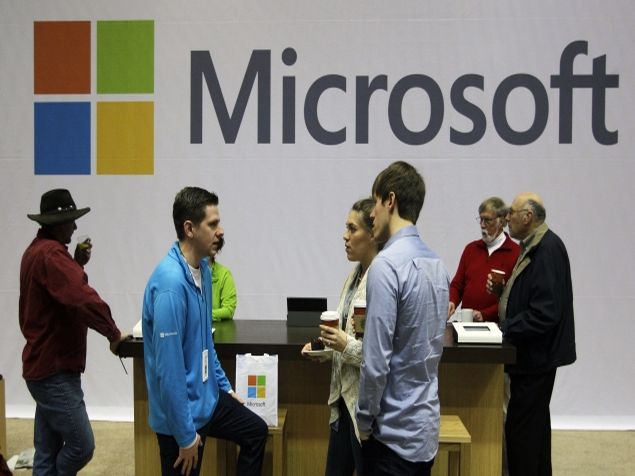
Consumer sales of Windows-powered personal computers fell 21 percent overall last month, according to a leading retail research firm, indicating a lackluster debut for Microsoft Corp's Windows 8 operating system, which many in the industry had hoped would revive slack PC sales.
Since the launch of Windows 8 on October 26, Windows laptop sales are down 24 percent, while desktop sales are down 9 percent compared with the same period last year, said NPD Group, which tracks computer sales weekly using data supplied by retailers.
Usually a new Microsoft release boosts PC sales, as many consumers hold off from purchases for several months prior so they can get hold of the latest software immediately.
"After just four weeks on the market, it's still early to place blame on Windows 8 for the ongoing weakness in the PC market," said Stephen Baker, vice president of industry analysis at NPD. "We still have the whole holiday selling season ahead of us, but clearly Windows 8 did not prove to be the impetus for a sales turnaround some had hoped for."
NPD's data does not include Microsoft's new Surface tablet, which is only available in its own stores, nor does it take account of sales of PCs to businesses, which has recently been a much stronger market.
But if the trend is borne out over the rest of the holiday shopping season, it would be a huge disappointment for Microsoft, as well as PC makers such as Dell Inc, HP and Lenovo.
Since launch, Windows 8 accounted for only 58 percent of Windows computing device unit sales, compared to the 83 percent Windows 7 accounted for at the same point after its launch in 2009, NPD said, partly caused by poor back-to-school sales that left many Windows 7 PCs on retailers' shelves.
One patch of light for Microsoft is strong sales of touchscreen Windows 8 laptops, which accounted for 6 percent of Windows laptop sales, according to NPD.
It is still unclear how successful Microsoft's Windows 8 will be in the long term. The touch-optimized, tablet-friendly system was designed to appeal to younger users with a colorful, app-based interface, but has confused some traditional Windows customers more used to keyboard and mouse commands. Beneath the new interface design, it does not offer any radical new computing power.
On Monday, a top Windows executive said Microsoft had sold 40 million Windows 8 licenses in the month since the launch. That is ahead of Windows 7 at the same stage, but it was not clear how many of those were pre-orders, discounted upgrades, or bulk sales to PC makers.
According to tech research firm StatCounter, about 1 percent of the world's 1.5 billion or so personal computers - making a total of around 15 million - are actually running Windows 8.
© Thomson Reuters 2012
Comments
For the latest tech news and reviews, follow Gadgets 360 on X, Facebook, WhatsApp, Threads and Google News. For the latest videos on gadgets and tech, subscribe to our YouTube channel. If you want to know everything about top influencers, follow our in-house Who'sThat360 on Instagram and YouTube.
Related Stories



Advertisement

Follow Us

-

01:18
Gadgets 360 With Technical Guruji: Did You Know This About the Firefox Logo? -
02:23
Gadgets 360 With Technical Guruji: Hands on With the Samsung Galaxy Book5 Pro 360 -
02:23
Gadgets 360 With Technical Guruji: A Quick Look at the Google Pixel 9a -
01:31
Gadgets 360 With Technical Guruji: Scanning Documents Without Third-Party Apps -
02:40
Gadgets 360 With Technical Guruji: News of the Week [March 29, 2025]
-
Paytm, Google Pay UPI से पेमेंट करने में आ रही दिक्कत, ये है कारण
-
Samsung Galaxy Tab S10 FE, S10 FE+ हुए लॉन्च, 12GB रैम के साथ यह है कीमत
-
HTC Wildfire E7 सस्ता फोन 6GB रैम, 50MP कैमरा के साथ होगा लॉन्च
-
बिटकॉइन खरीदने के लिए गोल्ड का रिजर्व बेच सकती है अमेरिकी सरकार
-
क्रिप्टो मार्केट पर भारी पड़ा ट्रंप के टैरिफ का फैसला, बिटकॉइन के प्राइस में बड़ी गिरावट
Advertisement
Popular on Gadgets
- Samsung Galaxy Unpacked 2025
- ChatGPT
- Redmi Note 14 Pro+
- iPhone 16
- Apple Vision Pro
- Oneplus 12
- OnePlus Nord CE 3 Lite 5G
- iPhone 13
- Xiaomi 14 Pro
- Oppo Find N3
- Tecno Spark Go (2023)
- Realme V30
- Best Phones Under 25000
- Samsung Galaxy S24 Series
- Cryptocurrency
- iQoo 12
- Samsung Galaxy S24 Ultra
- Giottus
- Samsung Galaxy Z Flip 5
- Apple 'Scary Fast'
- Housefull 5
- GoPro Hero 12 Black Review
- Invincible Season 2
- JioGlass
- HD Ready TV
- Laptop Under 50000
- Smartwatch Under 10000
- Latest Mobile Phones
- Compare Phones
Latest Gadgets
- Lava Bold 5G
- Huawei Pura X
- Motorola Edge 60 Fusion
- Redmi A5
- Vivo Y300t
- Vivo Y300 Pro+
- Vivo Y300i
- Realme 14 5G
- Acer TravelLite (2025)
- Asus Zenbook 14 (2025)
- Samsung Galaxy Tab S10 FE+
- Samsung Galaxy Tab S10 FE
- Garmin Vivoactive 6
- Oppo Watch X2
- Haier M80F Mini LED 4K
- Haier M95E
- Sony PlayStation 5 Pro
- Sony PlayStation 5 Slim Digital Edition
- LG 1.5 Ton 5 Star Inverter Window AC (UW-Q18WUZA)
- LG 1.5 Ton 3 Star Inverter Split AC (US-Q18JNXE)

- About Us
- Sitemaps
- Feedback
- Archives
- Contact Us
- RSS
- Advertise
- Career
- Privacy Policy
- Ethics
- Editorial Policy
- Terms & Conditions
- Complaint Redressal
Download Our Apps
Available in Hindi
© Copyright Red Pixels Ventures Limited 2025. All rights reserved.