-
 Oracle Said to Spend “Billions” on Nvidia Chips This Year to Expand Cloud Computing Service29 June 2023
 -
Tesla’s Shareholders to Vote on 3-to-1 Stock Split In August, Elon Musk’s Ally Ellison to Leave Board13 June 2022
-
Tesla Names Close Musk Friend Larry Ellison to Board31 December 2018
-
Oracle Unveils Generation 2 Cloud, Larry Ellison Takes Dig at Rival Amazon23 October 2018
-
Microsoft's Bill Gates Richest in Tech, as Amazon's Jeff Bezos Rises: Forbes6 August 2015
- Home
- Laptops
- Laptops News
- Oracle paid CEO Larry Ellison a cool $96 million last year
Oracle paid CEO Larry Ellison a cool $96 million last year
By Associated Press | Updated: 24 September 2012 10:46 IST
Advertisement
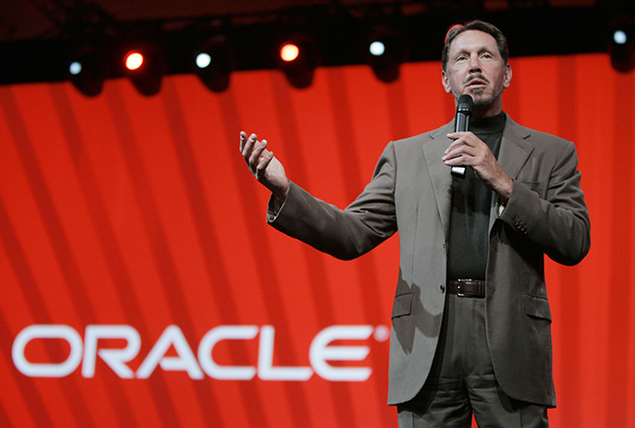
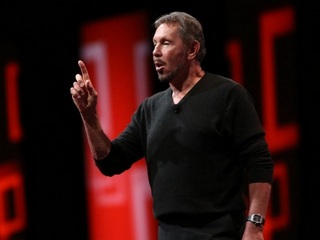
Larry Ellison, the founder and CEO of Oracle Corp. and one of the wealthiest people in the world, saw his pay jump to $96.2 million last year.
The pay, disclosed in a corporate filing, was up 24 percent from the previous year's total of $77.6 million. Most of Ellison's pay came from stock options that were valued at $90.7 million when they were granted in June 2011.
Those options, to buy 7 million shares at $32.43 a share, have value only if the stock is trading above that price. The options have been under water for most of the time since they were granted. But on Friday, Oracle stock rose 21 cents to close at $32.47.
The company cut Ellison's performance-based bonus to $3.9 million, down from $13.3 million a year earlier. Other senior executives endured similar cuts. That was because Oracle's profit growth for the year came in below its goals, according to the yearly filing it made Friday.
Oracle's net income rose 17 percent to $9.98 billion for the year that ended May 31. Revenue rose 4 percent to $37.12 billion.
The company said compensation was $51.7 million for both Safra A. Catz, its president and chief financial officer, and Mark Hurd, its president. Nearly all their pay was also in stock options that had little value as of Friday.
Oracle said its compensation committee recognizes that Ellison, 68, already "has a significant equity interest in Oracle, but believes he should still be eligible for an annual compensation package because of his active and vital role in our operations, strategy and growth."
Ellison's salary was only $1 for the year that ended May 31, 2012, unchanged from the previous year.
Forbes this week estimated Ellison's net worth at $41 billion. That ranked him as the sixth-richest person in the world and the third-richest in the United States, behind Microsoft co-founder Bill Gates and investor Warren Buffett, head of Berkshire Hathaway Inc.
The Associated Press' calculation isolates the value the company's board placed on the executive's total compensation package in the last fiscal year. It includes salary, bonus, performance-related bonuses, perks, above-market returns on deferred compensation and the estimated value of stock options and awards granted.
The calculation doesn't include changes in the present value of pension benefits. And they sometimes differ from the totals that companies list in the summary compensation table of proxy statements filed with the Securities and Exchange Commission. The statements to the SEC reflect accounting charges taken for the executive's compensation in the previous fiscal year.
Comments
For the latest tech news and reviews, follow Gadgets 360 on X, Facebook, WhatsApp, Threads and Google News. For the latest videos on gadgets and tech, subscribe to our YouTube channel. If you want to know everything about top influencers, follow our in-house Who'sThat360 on Instagram and YouTube.
Further reading:
Larry Ellison, Oracle
Related Stories

Advertisement

Follow Us

-

01:18
Gadgets 360 With Technical Guruji: Did You Know This About the Firefox Logo? -
02:23
Gadgets 360 With Technical Guruji: Hands on With the Samsung Galaxy Book5 Pro 360 -
02:23
Gadgets 360 With Technical Guruji: A Quick Look at the Google Pixel 9a -
01:31
Gadgets 360 With Technical Guruji: Scanning Documents Without Third-Party Apps -
02:40
Gadgets 360 With Technical Guruji: News of the Week [March 29, 2025]
-
Paytm, Google Pay UPI से पेमेंट करने में आ रही दिक्कत, ये है कारण
-
Samsung Galaxy Tab S10 FE, S10 FE+ हुए लॉन्च, 12GB रैम के साथ यह है कीमत
-
HTC Wildfire E7 सस्ता फोन 6GB रैम, 50MP कैमरा के साथ होगा लॉन्च
-
Motorola Edge 60 Fusion vs Nothing Phone 2a Plus: 25 हजार में कौन है बेस्ट
-
क्रिप्टो मार्केट पर भारी पड़ा ट्रंप के टैरिफ का फैसला, बिटकॉइन के प्राइस में बड़ी गिरावट
Advertisement
Popular on Gadgets
- Samsung Galaxy Unpacked 2025
- ChatGPT
- Redmi Note 14 Pro+
- iPhone 16
- Apple Vision Pro
- Oneplus 12
- OnePlus Nord CE 3 Lite 5G
- iPhone 13
- Xiaomi 14 Pro
- Oppo Find N3
- Tecno Spark Go (2023)
- Realme V30
- Best Phones Under 25000
- Samsung Galaxy S24 Series
- Cryptocurrency
- iQoo 12
- Samsung Galaxy S24 Ultra
- Giottus
- Samsung Galaxy Z Flip 5
- Apple 'Scary Fast'
- Housefull 5
- GoPro Hero 12 Black Review
- Invincible Season 2
- JioGlass
- HD Ready TV
- Laptop Under 50000
- Smartwatch Under 10000
- Latest Mobile Phones
- Compare Phones
Latest Gadgets
- Lava Bold 5G
- Huawei Pura X
- Motorola Edge 60 Fusion
- Redmi A5
- Vivo Y300t
- Vivo Y300 Pro+
- Vivo Y300i
- Realme 14 5G
- Acer TravelLite (2025)
- Asus Zenbook 14 (2025)
- Samsung Galaxy Tab S10 FE+
- Samsung Galaxy Tab S10 FE
- Garmin Vivoactive 6
- Oppo Watch X2
- Haier M80F Mini LED 4K
- Haier M95E
- Sony PlayStation 5 Pro
- Sony PlayStation 5 Slim Digital Edition
- LG 1.5 Ton 5 Star Inverter Window AC (UW-Q18WUZA)
- LG 1.5 Ton 3 Star Inverter Split AC (US-Q18JNXE)

- About Us
- Sitemaps
- Feedback
- Archives
- Contact Us
- RSS
- Advertise
- Career
- Privacy Policy
- Ethics
- Editorial Policy
- Terms & Conditions
- Complaint Redressal
Download Our Apps
Available in Hindi
© Copyright Red Pixels Ventures Limited 2025. All rights reserved.