-
 Dell XPS 16, XPS 14, Alienware M16 R2, and Inspiron 14 Plus Refreshed With Intel Core Ultra CPUs in India9 April 2024
 -
Dell Alienware m18 R2 With 14th Gen Intel Core CPUs, 18-Inch Display Launched in India: See Price14 March 2024
-
Amazon Great Republic Day Sale 2024: Best Laptop Deals You May Not Want to Miss12 January 2024
-
Dell XPS 13, XPS 14, XPS 16 Refreshed With Intel Core Ultra CPUs, Inbuilt AI Features: Price, Specifications5 January 2024
-
Dell Alienware Aurora R16 Gaming PC With Up to 14th Gen Intel Core Chips Debut in India: Price, Specifications10 November 2023

- Home
- Laptops
- Laptops News
- Michael Dell gets a chance to repair his legacy
Michael Dell gets a chance to repair his legacy
By Reuters | Updated: 6 February 2013 16:53 IST
Advertisement
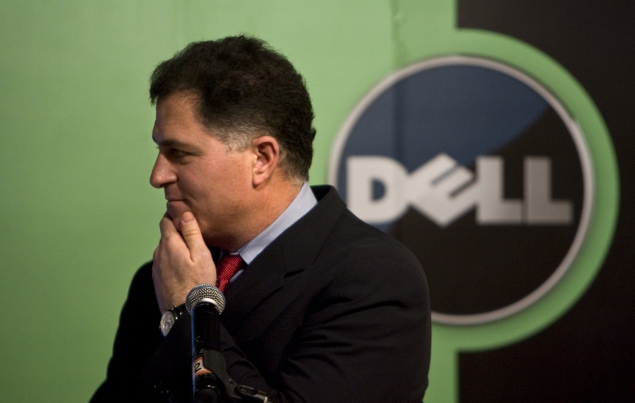
Michael Dell once gave up day-to-day control of the computer company that bears his name - and everything began to go south. Now the billionaire is cementing his grip over the firm to try to restore it to its former glory.
The billionaire roped in private equity house Silver Lake and Microsoft Corp, to take his 28-year-old company private for $24.4 billion in the second-largest buyout in technology history.
In Tuesday's announcement, Dell who once upbraided Apple Inc co-founder's Steve Jobs for trying to rescue the Mac-maker - enthused about the "exciting new chapter" his company was embarking upon.
While those investors and Dell himself have said little on the subject, some analysts believe the brash, combative Texan native, having once propelled his company from a college dorm-room project to the pinnacle of the personal computing world, may be itching to repair his reputation as a visionary CEO.
In the years since he returned in 2007 to re-take the reins at Dell Inc, the company has bled market share to the likes of Hewlett-Packard and Lenovo and is now fighting to stem a steep decline in PC sales.
"Michael Dell is once again hungry. Thirty years ago, we think he hungered for success and wealth. In 2013, we think he hungers to restore his legacy and personal balance sheet," said Cindy Shaw, a managing director and research analyst at investment advisory firm Discern Inc.
"Today, he has the advantages of a global footprint, brand name recognition and connections."
Dell was upheld as a model of innovation as recently as the early 2000s, pioneering online ordering of custom-configured PCs and working closely with Asian component suppliers and manufacturers to assure rock-bottom production costs.
But as of 2012's fourth quarter, Dell's share of the global PC market had slipped to just above 10 percent from 12.5 percent a year earlier as its shipments dived 20 percent, according to research house IDC.
That the company will go private is not necessarily a new idea; Michael Dell told an investor conference in June 2010 he had considered it before.
But by pulling the trigger now, the 47-year-old billionaire can focus on reversing its fortunes by concentrating on higher-margin corporate IT and services - borrowing a page from IBM . He will do so free from the distractions of running a publicly traded company.
That's still no small task for a company that built its name on customized computers but whose star has waned, and now wants to go up against larger rivals like HP and IBM.
Dell, who has quietly built a highly successful investment firm even as the fortunes of his namesake company have waned, is upping the ante. He will put up more of his own money, contributing his 16 percent share of Dell's equity to the deal along with cash from his private investment firm MSD Capital.
"This is an opportunity for Michael Dell to be a little more flexible managing the company. That doesn't take away from the fact they will have challenges in the PC market like they did before," said FBN Securities analyst Shebly Seyrafi.
Dude, where's my Dell?
Michael Dell started the company in 1984 out of his college dorm room with $1,000, and led it to the top of the PC industry. The TV advertising slogan "Dude, you're getting a Dell" become one of the best-known catch-phrases of the early 2000s.
The company's early successes made him wealthy enough to start MSD Capital, which employs 80 people in three cities who invest his money in everything from stocks to real estate. Forbes ranks him among the world's 50 richest, with an estimated fortune of nearly $16 billion.
But much of his success is still tied to the company he founded, and from which he has not been able to step away.
The first time he handed over the reins was in 2004, when long-time lieutenant Kevin Rollins took over as CEO. The company was on top of its game when Rollins stepped in, but sales and customer service slipped in the ensuing three years, and there was a general sense of relief among investors when Dell reasserted control in January 2007.
"There's been no turnaround and the bottom line is Michael was the one who built the company," Needham & Co analyst Charles Wolf said at the time.
In the six years since Michael Dell resumed leadership, the company's market share has dipped even further, as has its stock. From the start of fiscal 2007 to fiscal 2012, a $100 investment in Dell stock would have shrunk to just $75, including reinvestment of all dividends. That compared with $127 for the S&P500 IT index.
Dell, which derives more than half its revenue from sales of plain-vanilla PCs and servers, is struggling along with the rest of the industry with declining personal computer demand.
Even with the price surge since rumors of a buyout first broke, Dell shares are still down by roughly half from when he regained leadership. Though, to be sure, HP's stock has also fallen about as much.
During that time the market changed dramatically, and Dell's once-iconic built-to-order PCs have lost favor as consumers and even businesses move toward tablets and smartphones, a market where Dell has taken tentative and unsuccessful steps.
That slide was magnified by Michael Dell's brash confidence, which sometimes got him in trouble with peers, most famously Apple's Jobs.
When Jobs returned to lead the company he started in 1997, Dell famously suggested the co-founder would be better off shutting the company and returning the cash to shareholders.
Nine years later, Jobs had the last laugh when Apple's market capitalization surpassed Dell's. Even given its recent share price slide, Apple remains more than 20 times bigger than the former PC industry darling.
With Dell now choosing to go private, much will hinge on the willingness of future partners to support his potentially costly turnaround effort. Some support has already been received via a $2 billion loan from Microsoft to help fund the deal.
"This gives him flexibility. The market wasn't valuing the company at where he thinks it should be worth and who knows that better than him," said Phil Silverman, managing partner at Kingsview Capital.
© Thomson Reuters 2013
Comments
For the latest tech news and reviews, follow Gadgets 360 on X, Facebook, WhatsApp, Threads and Google News. For the latest videos on gadgets and tech, subscribe to our YouTube channel. If you want to know everything about top influencers, follow our in-house Who'sThat360 on Instagram and YouTube.
Related Stories




Advertisement
Follow Us




-
 Vivo V30e 5G भारत में 5500mAh बैटरी, 44W फास्ट चार्जिंग के साथ होगा लॉन्च
 -
Moto E14 में होगी 5000mAh बैटरी, TDRA सर्टिफिकेशन में दिखा फोन
-
OnePlus Ace 3 Pro के स्पेसिफिकेशंस, डिजाइन का हुआ खुलासा, क्या होगा खास
-
HMD ने लॉन्च किया ‘बोरिंग’ फोन, सिर्फ कॉल और टेक्स्ट कर पाएंगे, इंटरनेट का नहीं है सपोर्ट
Advertisement
Popular on Gadgets
- Galaxy S24 Series
- MWC 2024
- Apple Vision Pro
- Oneplus 12
- iPhone 14
- Apple iPhone 15
- OnePlus Nord CE 3 Lite 5G
- iPhone 13
- Xiaomi 14 Pro
- Oppo Find N3
- Tecno Spark Go (2023)
- Realme V30
- Best Phones Under 25000
- Samsung Galaxy S24 Series
- Cryptocurrency
- iQoo 12
- Samsung Galaxy S24 Ultra
- Giottus
- Samsung Galaxy Z Flip 5
- Apple 'Scary Fast'
- Housefull 5
- GoPro Hero 12 Black Review
- Invincible Season 2
- JioGlass
- HD Ready TV
- Laptop Under 50000
- Smartwatch Under 10000
- Latest Mobile Phones
- Compare Phones
Latest Gadgets
- Vivo V30e
- Itel Super Guru 4G
- Huawei Pura 70 Pro+
- Huawei Pura 70 Ultra
- Tecno Camon 30 Premier 5G
- Motorola Edge 50 Fusion
- Oppo A1i
- Oppo A1s
- Asus ZenBook Duo 2024 (UX8406)
- Dell Inspiron 14 Plus
- Realme Pad 2 Wi-Fi
- Redmi Pad Pro
- Cult Shock X
- Fire-Boltt Oracle
- Samsung Samsung Neo QLED 8K Smart TV QN800D
- Samsung Neo QLED 4K Smart TV (QN90D)
- Sony PlayStation 5 Slim Digital Edition
- Sony PlayStation 5 Slim
- Haier 1.5 Ton 5 Star Triple Inverter Split AC (HSU18K-PYSS5BN-INV)
- Electrolux 1.5 Ton 3 Star Inverter Split AC (ESV183C1AA)

- About Us
- Sitemaps
- Feedback
- Archives
- Contact Us
- RSS
- Advertise
- Career
- Privacy Policy
- Ethics
- Editorial Policy
- Terms & Conditions
- Complaint Redressal
Download Our Apps
Available in Hindi
© Copyright Red Pixels Ventures Limited 2024. All rights reserved.


