-
 Apple Offer to Open Up NFC-Based Tap-and-Go Technology Said to Be on Track for EU Approval by May20 April 2024
 -
Meta, Others Online Platforms Should Give Users Free Option Without Targeted Ads, Says EU Privacy Watchdog18 April 2024
-
Altstore PAL With Annual Subscription, Free Delta Nintendo Emulator Launched in Europe18 April 2024
-
Apple's New Guidelines Now Allow Game Emulators on App Store8 April 2024
-
US and UK Announce Partnership on AI Safety and Testing2 April 2024

- Home
- Internet
- Internet News
- Google risks billion dollar fine under new EU data rules
Google risks billion dollar fine under new EU data rules
By Reuters | Updated: 20 February 2013 14:55 IST
Advertisement
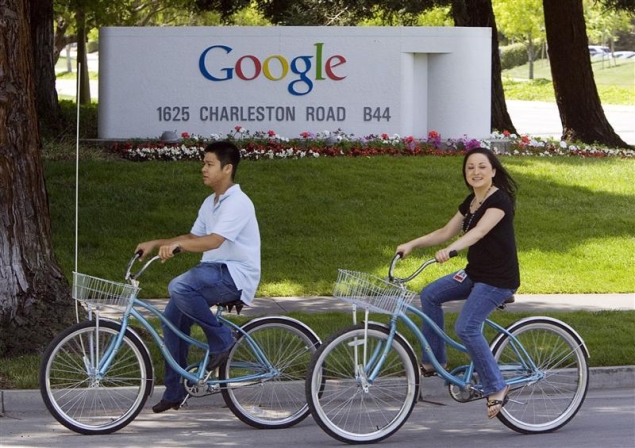
Google's latest privacy policy could land it with a fine of upto $1 billion under a new law allowing Europe-wide challenges to U.S.-based Internet giants, Europe's top justice official said on Tuesday.
Viviane Reding, the European Union's commissioner for justice, said rules being finalised by the European parliament and EU countries would allow a single EU data regulator to fine companies on behalf of all national watchdogs.
"The one-stop-shop regulator could threaten a company which does not obey the rules with a fine of up to two percent of global turnover," Reding told journalists.
Asked what kind of offence would receive the full two percent fine Reding pointed to Google. "The test case (Google) is a clear one."
The overhaul of the existing EU data protection regime could come into effect next year and would allow for bigger single fines.
It would also require all countries to have fines. Some states do not now levy penalties.
Google's total revenue in 2012 amounted to $50 billion which would make a two percent fine $1 billion.
Under current European rules, only individual countries can levy fines against companies that violate data privacy laws. Fines range from 300,000 euros to 600,000 euros.
Reding said that the ongoing dispute between EU data protection regulators and search engine Google showed the weaknesses of the current system, which relies on each country identifying and punishing privacy breaches.
She added that Google's decision to ignore a warning by regulators in October to change its privacy policy was a clear-cut case for a fine.
Google said it had not ignored warnings and had since amended its privacy policy.
European data watchdogs have said they plan to take "repressive" action against Google by this summer for its privacy policy, which took effect last March and allows the search engine to pool user data from across all its services ranging from YouTube to Gmail.
While regulators say Google's policy infringes users' privacy, the company said it is not breaking any laws.
The new law now would place greater responsibility on companies such as Facebook to protect users' information and threaten those who breach the code with fines.
U.S. companies have been lobbying heavily against the regulation which forces them to seek water-tight permission from users for collecting their data and also gives users more rights to obtain and delete their own data from services like Facebook.
The European Parliament is currently reviewing the rules drafted by the European Commission. They will then need the consent of EU member nations before becoming law, a process that could take up to a year.
© Thomson Reuters 2013
Comments
For the latest tech news and reviews, follow Gadgets 360 on X, Facebook, WhatsApp, Threads and Google News. For the latest videos on gadgets and tech, subscribe to our YouTube channel. If you want to know everything about top influencers, follow our in-house Who'sThat360 on Instagram and YouTube.
Related Stories





Advertisement
Follow Us




-

03:19
Gadgets 360 With Technical Guruji: Something About the Nothing Ear, Ear (a) -
19:21
Gadgets 360 With Technical Guruji: Samsung's New AI Smart TVs, Nothing Ear -
05:23
Gadgets 360 With Technical Guruji: Samsung's New AI Smart TVs -
01:17
Gadgets 360 With Technical Guruji: Tech Tip [April 20, 2024] -
02:05
Gadgets 360 With Technical Guruji: Ask TG [April 20, 2024]
-
Polestar Phone हुआ 16GB RAM, 50MP कैमरा के साथ लॉन्च, AI फीचर्स भी शामिल
-
OnePlus 13 के नए डिजाइन और डिस्प्ले साइज का हुआ खुलासा, क्या होगा खास
-
Oppo K12 स्मार्टफोन 12GB रैम, 50MP कैमरा, 100W चार्जिंग के साथ लॉन्च
-
Vivo X100s की रियल लाइफ इमेज लीक, iPhone 15 Pro जैसा दिखा फोन!
-
Oppo A60 4G होगा 5000mAh बैटरी, 50MP कैमरा, 45W चार्जिंग वाला सस्ता फोन! रेंडर्स लीक
Advertisement
Popular on Gadgets
- AI
- iPhone 16 Leaks
- Apple Vision Pro
- Oneplus 12
- iPhone 14
- Apple iPhone 15
- OnePlus Nord CE 3 Lite 5G
- iPhone 13
- Xiaomi 14 Pro
- Oppo Find N3
- Tecno Spark Go (2023)
- Realme V30
- Best Phones Under 25000
- Samsung Galaxy S24 Series
- Cryptocurrency
- iQoo 12
- Samsung Galaxy S24 Ultra
- Giottus
- Samsung Galaxy Z Flip 5
- Apple 'Scary Fast'
- Housefull 5
- GoPro Hero 12 Black Review
- Invincible Season 2
- JioGlass
- HD Ready TV
- Laptop Under 50000
- Smartwatch Under 10000
- Latest Mobile Phones
- Compare Phones
Latest Gadgets
- iQOO Z9x
- iQOO Z9
- HMD Pulse
- HMD Pulse+
- HMD Pulse Pro
- Realme Narzo 70x 5G
- Realme Narzo 70 5G
- Samsung Galaxy C55
- Lenovo IdeaPad Pro 5i
- Asus ZenBook Duo 2024 (UX8406)
- Realme Pad 2 Wi-Fi
- Redmi Pad Pro
- boAt Storm Call 3
- Lava ProWatch Zn
- Samsung Samsung Neo QLED 8K Smart TV QN800D
- Samsung Neo QLED 4K Smart TV (QN90D)
- Sony PlayStation 5 Slim Digital Edition
- Sony PlayStation 5 Slim
- Lloyd 1.5 Ton 3 Star Inverter Split AC (GLS18I3FOSEW)
- Haier 1.5 Ton 3 Star Triple Inverter Split AC (HSU18K-PYSS3BN-INV)

- About Us
- Sitemaps
- Feedback
- Archives
- Contact Us
- RSS
- Advertise
- Career
- Privacy Policy
- Ethics
- Editorial Policy
- Terms & Conditions
- Complaint Redressal
Download Our Apps
Available in Hindi
© Copyright Red Pixels Ventures Limited 2024. All rights reserved.


