-
 Jio May Soon Receive Regulatory Approval for Launch of Satellite Internet Services in India: Report3 January 2024
 -
Poor Quality Results for Online Searches Made People Believe Possible Misinformation: Study25 December 2023
-
Government to Allot Satellite Internet Spectrum Without Auction in Win for Elon Musk’s Starlink19 December 2023
-
Government Planning New Regulations for Hosting Deepfakes: IT Minister23 November 2023
-
Starlink Set to Gain GMPCS Licence to Offer Satellite Communication Services in India: Report8 November 2023

- Home
- Internet
- Internet News
- 'Google has failed to curb music piracy'
'Google has failed to curb music piracy'
By Agence France-Presse | Updated: 22 February 2013 13:22 IST
Advertisement
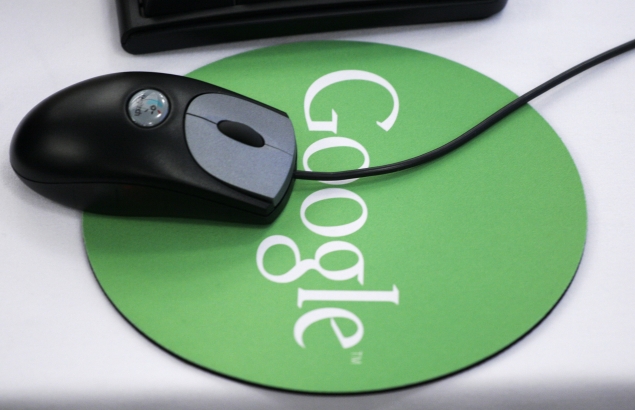
Google's revamping of its search formula last year has failed so far to live up to its promise of discouraging consumers from visiting illegal music websites, an industry group says.
A report released this week by the Recording Industry Association of America said it found Google's initiative announced last August to "demote" sites accused of piracy appeared to be having little or no effect.
"We have found no evidence that Google's policy has had a demonstrable impact on demoting sites with large amounts of piracy," said the RIAA report released Wednesday.
"These sites consistently appear at the top of Google's search results for popular songs or artists."
The RIAA said it analyzed "serial infringers" identified in Google's Copyright Transparency Report "were not demoted in any significant way in the search results and still managed to appear on page one of the search results over 98 percent of the time in the searches conducted."
It added that the questionable sites "consistently showed up in three to five of the top 10 search results."
"We recognize and appreciate that Google has undertaken some positive steps to address links to illegal music on its network," said RIAA general counsel Steven Marks.
"Unfortunately, our initial analysis concludes that so far Google's pledge six months ago to demote pirate sites remains unfulfilled. Searches for popular music continue to yield results that emphasize illegal sites at the expense of legitimate services, which are often relegated to later pages. And Google's auto-complete function continues to lead users to many of those same illicit sites."
Responding to the RIAA, a Google spokesperson said, "We have invested heavily in copyright tools for content owners and process takedown notices faster than ever."
Google said that in the last month "we received more than 14 million copyright removal requests for Google Search, quickly removing more than 97 percent from search results."
Last August, Google said it was tweaking its search formula to give higher priority to legal content and sink rankings for websites hit with piracy complaints, which focus on illegal copies of music, films and other content.
More than 200 "signals" are factored into Google's secret search algorithm for determining what gets priority on results pages.
Comments
For the latest tech news and reviews, follow Gadgets 360 on X, Facebook, WhatsApp, Threads and Google News. For the latest videos on gadgets and tech, subscribe to our YouTube channel. If you want to know everything about top influencers, follow our in-house Who'sThat360 on Instagram and YouTube.
Related Stories





Advertisement
Follow Us




-

03:19
Gadgets 360 With Technical Guruji: Something About the Nothing Ear, Ear (a) -
19:21
Gadgets 360 With Technical Guruji: Samsung's New AI Smart TVs, Nothing Ear -
05:23
Gadgets 360 With Technical Guruji: Samsung's New AI Smart TVs -
01:17
Gadgets 360 With Technical Guruji: Tech Tip [April 20, 2024] -
02:05
Gadgets 360 With Technical Guruji: Ask TG [April 20, 2024]
-
Redmi Pad SE टैबलेट, 8GB RAM और 8000mAh बैटरी के साथ लॉन्च, जानें सबकुछ
-
Lava ProWatch Zn भारत में हार्ट रेट मॉनिटर सपोर्ट के साथ 2,599 में लॉन्च
-
Realme Narzo 70x 5G के साथ Narzo 70 5G भी होगा 24 अप्रैल को लॉन्च
-
बड़ा स्कैम! इन मीमकॉइन प्रोजेक्ट को छोड़कर भाग गए डेवलपर्स, निवेशकों को लगी करोड़ों की चपत
-
HMD Pulse Pro के लॉन्च से पहले ही लीक हुई कीमत, डिजाइन और स्पेसिफिकेशन का भी खुलासा
Advertisement
Popular on Gadgets
- Galaxy S24 Series
- MWC 2024
- Apple Vision Pro
- Oneplus 12
- iPhone 14
- Apple iPhone 15
- OnePlus Nord CE 3 Lite 5G
- iPhone 13
- Xiaomi 14 Pro
- Oppo Find N3
- Tecno Spark Go (2023)
- Realme V30
- Best Phones Under 25000
- Samsung Galaxy S24 Series
- Cryptocurrency
- iQoo 12
- Samsung Galaxy S24 Ultra
- Giottus
- Samsung Galaxy Z Flip 5
- Apple 'Scary Fast'
- Housefull 5
- GoPro Hero 12 Black Review
- Invincible Season 2
- JioGlass
- HD Ready TV
- Laptop Under 50000
- Smartwatch Under 10000
- Latest Mobile Phones
- Compare Phones
Latest Gadgets
- Samsung Galaxy C55
- Blackview Hero 10
- Oppo K12
- Vivo Y200i
- Huawei Pura 70 Pro
- Huawei Pura 70
- Vivo V30e
- Itel Super Guru 4G
- Lenovo IdeaPad Pro 5i
- Asus ZenBook Duo 2024 (UX8406)
- Realme Pad 2 Wi-Fi
- Redmi Pad Pro
- boAt Storm Call 3
- Lava ProWatch Zn
- Samsung Samsung Neo QLED 8K Smart TV QN800D
- Samsung Neo QLED 4K Smart TV (QN90D)
- Sony PlayStation 5 Slim Digital Edition
- Sony PlayStation 5 Slim
- Voltas 1.5 Ton 3 Star Split AC (183 Vectra Elegant 4503545)
- Hitachi 1.5 Ton 5 Star Inverter Split AC (RAS.G518PCBISF)

- About Us
- Sitemaps
- Feedback
- Archives
- Contact Us
- RSS
- Advertise
- Career
- Privacy Policy
- Ethics
- Editorial Policy
- Terms & Conditions
- Complaint Redressal
Download Our Apps
Available in Hindi
© Copyright Red Pixels Ventures Limited 2024. All rights reserved.


