-
 Outgoing Insomniac Games Boss Says Studio Pitched Resistance 4 to Sony, but Was Turned Down10 February 2025
 -
PS Plus Monthly Free Games for July Include Borderlands 3, NHL 24 and Among Us27 June 2024
-
PS Plus Game Catalog Titles for March Announced: NBA 2K24, Marvel’s Midnight Suns, Resident Evil 3 and More14 March 2024
-
Resident Evil 2 and Tiny Tina’s Wonderlands Lead PlayStation Plus Extra, Deluxe Games for January 202411 January 2024
-
PS5 Call of Duty: Modern Warfare 3 Bundle Launches in India Today, Priced at Rs. 49,3909 November 2023
- Home
- Games
- Games News
- Sony PlayStation gets quality certificate, China may lift ban on consoles
Sony PlayStation gets quality certificate, China may lift ban on consoles
By Reuters | Updated: 7 November 2012 13:24 IST
Advertisement
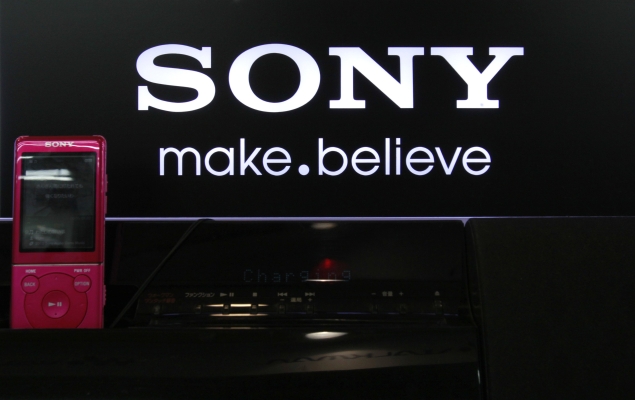
Sony Corp's PlayStation 3 has received a certification of quality from a Chinese safety standards body, sparking speculation that China will end a decade-old ban on home game consoles.
China has banned video game consoles since 2000, citing a need to protect the well-being of its young people. Some analysts cautioned against reading too much into Sony's new certificate, noting the organisation that gave it has no regulatory authority.
"The Ministry of Culture has the regulatory authority over the console segment and is the sole organisation that can revoke the ban," said Lisa Cosmas Hanson, managing partner of U.S.-based video games consultancy Niko Partners.
The China Quality Certification Centre website showed two models of the PlayStation 3, labelled "computer entertainment system" received approval this July. All products must pass the safety standard before they can be sold to Chinese consumers.
Sony confirmed that it had received certification but remained tightlipped about whether this heralded an imminent entry for the PlayStation into the world's second-largest economy or whether the company needed further certificates.
"This does not mean that we have officially decided to enter Chinese market," Sony spokeswoman Mai Hora said.
"We recognize that China is a promising market so we will continuously study the possibility."
Representatives for China's Ministry of Culture could not be reached for comment.
But there has also been some precedent that China authorities are taking a less hard-line attitude towards game consoles.
This year Lenovo Group launched Eedoo CT510, a motion sensing device that plays games similar in concept to Microsoft's Kinect extension for the Xbox game console, by touting by Eedoo as an "exercise and entertainment machine".
Although video game consoles are banned in China, online gaming and games on mobile devices are deeply entrenched limiting the potential upside for Sony and rival game machine makers like Microsoft Corp and Nintendo Co Ltd.
"It obviously has a huge population, but gamers in China have different consumption habits," said Piers Harding-Rolls, senior games analyst at IHS Screen Digest in London.
"A lot of established gamers will use non-dedicated devices they have used over many years."
Game machine makers would also have to find ways to ensure that piracy did not cut into their income from games software and other content, Harding-Rolls added.
© Thomson Reuters 2012
Comments
For the latest tech news and reviews, follow Gadgets 360 on X, Facebook, WhatsApp, Threads and Google News. For the latest videos on gadgets and tech, subscribe to our YouTube channel. If you want to know everything about top influencers, follow our in-house Who'sThat360 on Instagram and YouTube.
Further reading:
Sony PlayStation 3, Sony, PlayStation 3, Microsoft Kinect, Lenovo Eedoo CT510, Xbox
Related Stories




Advertisement

Follow Us

-

20:33
Tech With TG: All You Need to Know About Mobile Filmmaking -
10:40
[Partner Content] OPPO K13 - The Undisputed OP Smartphone | Lag Killer Performance | Best in Segment -
04:49
JisuLife Hand Fans, Neck Fans & Portable Fans: First Impressions -
01:14
Gadgets 360 With Technical Guruji: Tech Tip to Save iPhone Storage -
03:21
Gadgets 360 With Technical Guruji: Realme P3 Series Debuts
-
Realme 14T 5G हुआ AMOLED डिस्प्ले, 6000mAh बैटरी के साथ लॉन्च, देखें
-
Motorola Edge 60, Edge 60 Pro लॉन्च, 50MP फ्रंट कैमरा के साथ मीडियाटेक
-
8W पावर आउटपुट, AI फीचर्स के साथ Xiaomi Smart Speaker लॉन्च, जानें कीमत
-
Garena Free Fire Max Redeem Codes 26 April 2025: नए रिडीम कोड जारी, FREE में पाएं गन, पेट स्किन्स, डायमेंड्स और बहुत कुछ!
-
Oppo के K13 5G की भारत में शुरू हुई बिक्री, जानें प्राइस, स्पेसिफिकेशंस
Advertisement
Popular on Gadgets
- Samsung Galaxy Unpacked 2025
- ChatGPT
- Redmi Note 14 Pro+
- iPhone 16
- Apple Vision Pro
- Oneplus 12
- OnePlus Nord CE 3 Lite 5G
- iPhone 13
- Xiaomi 14 Pro
- Oppo Find N3
- Tecno Spark Go (2023)
- Realme V30
- Best Phones Under 25000
- Samsung Galaxy S24 Series
- Cryptocurrency
- iQoo 12
- Samsung Galaxy S24 Ultra
- Giottus
- Samsung Galaxy Z Flip 5
- Apple 'Scary Fast'
- Housefull 5
- GoPro Hero 12 Black Review
- Invincible Season 2
- JioGlass
- HD Ready TV
- Laptop Under 50000
- Smartwatch Under 10000
- Latest Mobile Phones
- Compare Phones
Latest Gadgets
- Motorola Edge 60
- Motorola Edge 60 Pro
- Motorola Razr 60
- Motorola Razr 60 Ultra
- Realme 14T 5G
- Redmi Turbo 4 Pro
- Honor X70i
- Red Magic 10 Air
- HP EliteBook 6 G1a
- HP EliteBook 8 G1a
- Honor Pad GT
- Vivo Pad SE
- Moto Watch Fit
- Honor Band 10
- Xiaomi X Pro QLED 2025 (43-Inch)
- Xiaomi X Pro QLED 2025 (55-Inch)
- Asus ROG Ally
- Nintendo Switch Lite
- Toshiba 1.8 Ton 5 Star Inverter Split AC (RAS-24TKCV5G-INZ / RAS-24TACV5G-INZ)
- Toshiba 1.5 Ton 5 Star Inverter Split AC (RAS-18PKCV2G-IN / RAS-18PACV2G-IN)

- About Us
- Sitemaps
- Feedback
- Archives
- Contact Us
- RSS
- Advertise
- Career
- Privacy Policy
- Ethics
- Editorial Policy
- Terms & Conditions
- Complaint Redressal
Download Our Apps
Available in Hindi
© Copyright Red Pixels Ventures Limited 2025. All rights reserved.